 Church
- Accuracy: 0 km
- Elevation above sea level: ≈ 1,129 m
- Point embed code
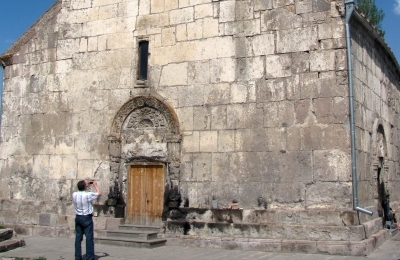
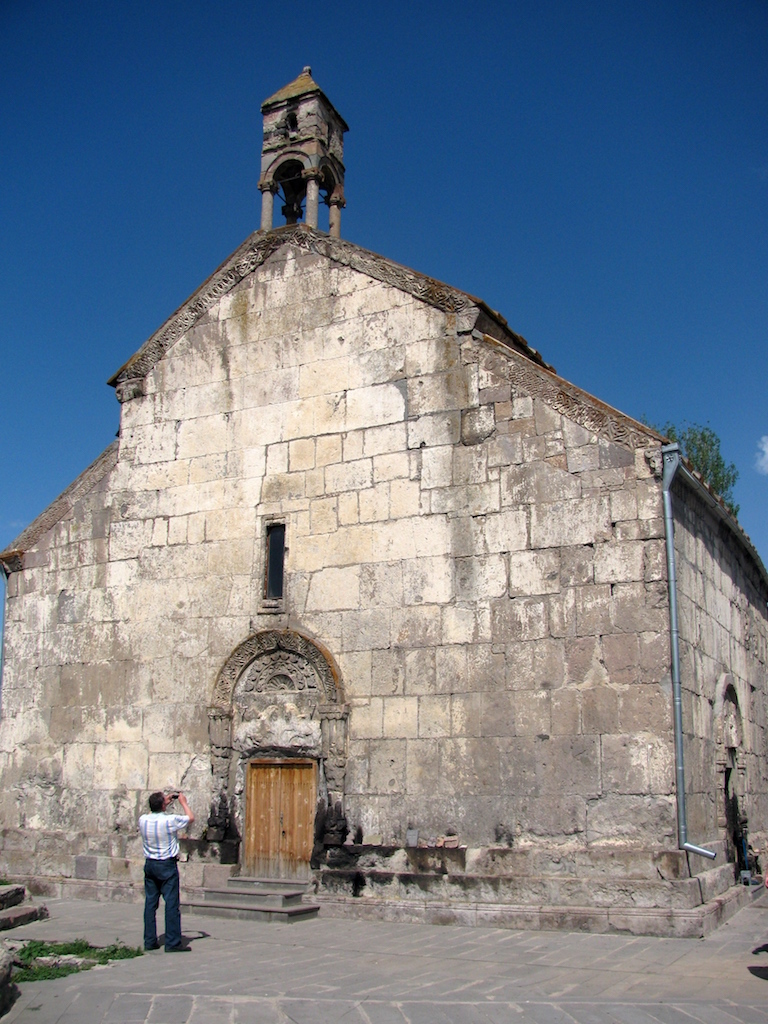
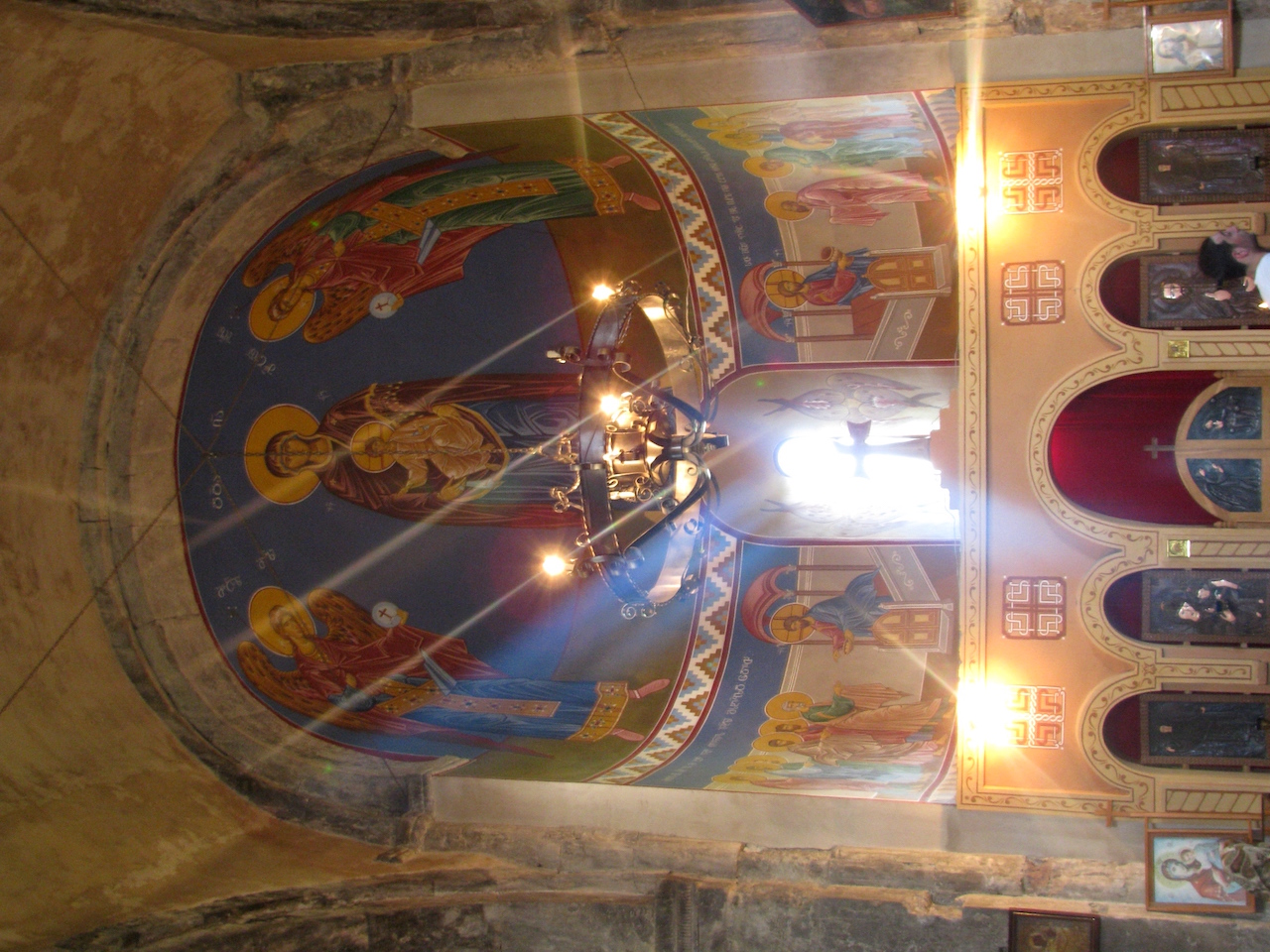
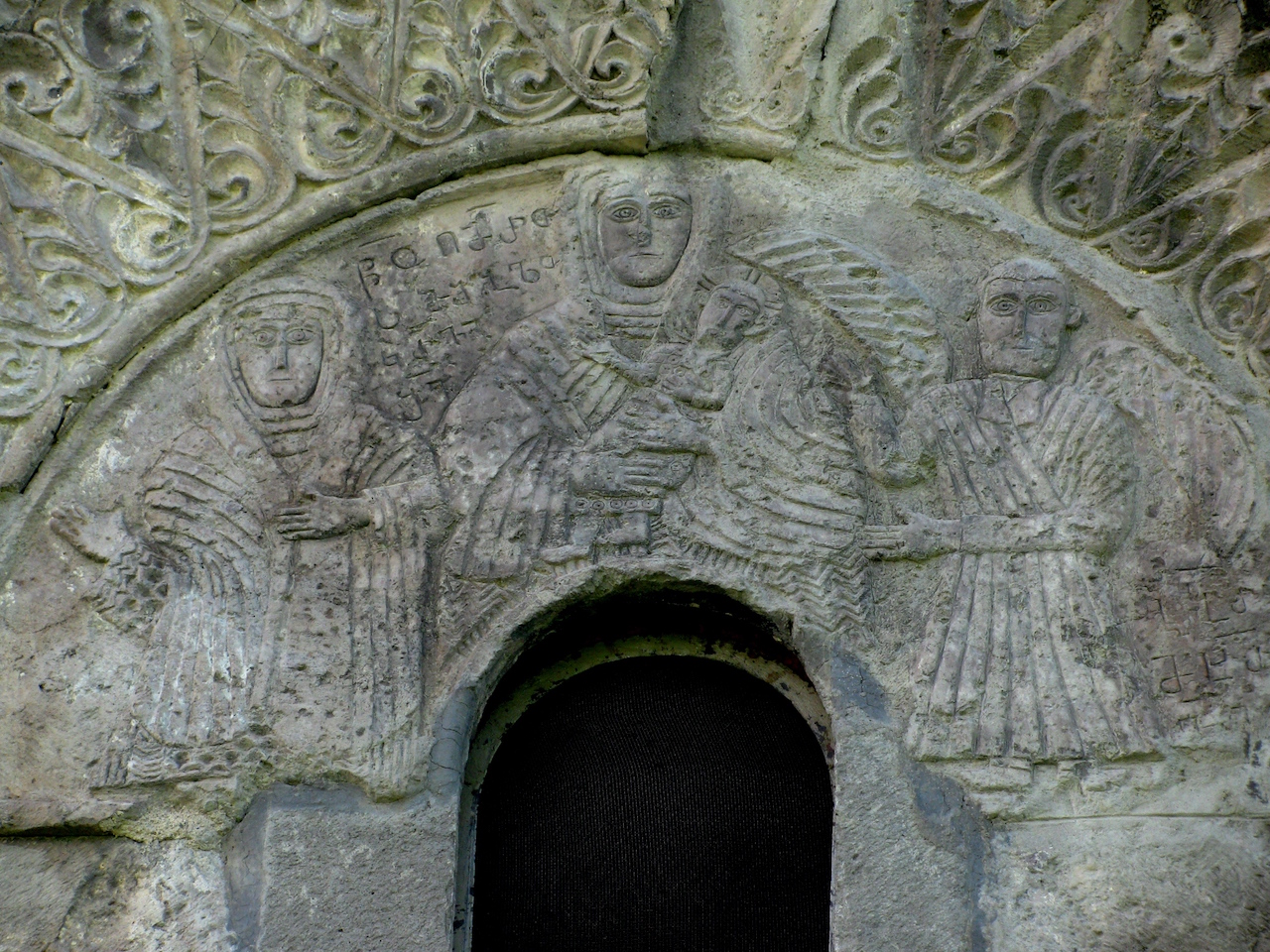
The Vale Church of the Mother of God was originally domed. Over time its dome and vaults collapsed, and in 1561–64 the building was restored without a dome; it thus became a three-nave basilica, and the monument now has an altered appearance. On the east facade the upper part of the right wing has been repaired and the windows slightly widened. This facade has three windows, all with interesting decoration: above the outer windows are relief crosses and bands of carved ornament, while above the main window is a relief group of three figures, likewise framed by a carved band. The central figure is the Mother of God; on the left is a woman commending herself to the Mother of God (the Asomtavruli inscription reads: "Holy Mother of God, have mercy on Kravi" — Kravi being the woman's name); on the right, the Archangel Gabriel. On the west facade the upper part (with its window) bears traces of remodeling, but the entrance remains old. Its rich decoration is a highly important example of 10th-century art: above the entrance is an enormous rectangular stone carved with two horsemen turned toward each other (probably St. George and St. Demetrius). Above this stone are concentric bands of carving, and the entrance's overall frame is a carved arch resting on wall columns. All this complex, varied decoration — in its general aspect, the interrelation of its parts, the choice of ornament and sculpture — is masterfully conceived by the architect, and the quality of execution is high as well. The south entrance is wider than the western (it was the main entrance) but more simply adorned. Its tympanum too bears figures (in high relief): on the right Christ, on the left evidently the church's builder holding a model of the church; in the corners, besides, are small figures of the Apostles Peter and Paul. The whole left part of the tympanum, inscription and all, is washed away. In the inscription on the capital of the right half-column only individual letters and words can be made out, not the sense as a whole. The upper parts of the facade, especially in the middle, are remodeled. Formerly, when the building was domed, the central section here was raised and covered with a gabled roof; so it was on the north side too, and thus the building's basic forms traced a cross in space. Into the upper (remodeled) parts of the south facade old sculptures are set (two female figures, warrior saints) — but this is not their original place. On the north facade the lower part of the masonry (with its entrance and decoration) is untouched, while the window has been renewed. The building's cornices consist entirely of old parts. The ornament adorning the south and north cornices (a distinctive leaf pattern) was very widespread in the 10th century and the first half of the 11th, after which it fell out of use. Also noteworthy in the building's decoration are the corner stones of the cornice, carved with various reliefs. Inside the church two piers divide the space into three parts; the central nave is much wider than the side ones. Formerly the dome rested on these piers and on the projecting corners of the sanctuary wall. It is easy to see that the piers have been repaired: they are of unequal size and warped, and the arches resting on them have been altered — all the result of the 16th-century reconstruction. On the southern pier is carved a very large inscription in three columns (45 lines in all). This Asomtavruli inscription recounts the monument's repair by Dedisimedi, wife of the atabeg Kaikhosro. It mentions figures known from other sources as well: Dedisimedi's grandfather Konstantine was king of Kartli. The inscription (and hence the church's second building) belongs to 1561–64.
დასავლეთის ფასადზე ზემო ნაწილი (სარკმლიანად) გადაკეთებულის კვალს ატარებს, მაგრამ შესასვლელი კი ძველია დარჩენილი. მისი მდიდარი მორთულობა X საუკუნის ხელოვნების დიდად მნიშვნელოვანი ნიმუშია: შესასვლელის თავზე უზარმაზარი სწორკუთხა ქვაა, რომელზედაც ერთმანეთისკენ მიმართული ორი მხედარია გამოქანდაკებული (ალბათ წმ. გიორგი და წმ. დიმიტრი). ამ ქვის ზემოთ ჩუქურთმის კონცენტრული არშიებია, შესასვლელის საერთო ჩარჩო – კედლის სვეტებზე დაბჯენილი მოჩუქურთმებული თაღია. მთელი ეს რთული, მრავალფეროვანი მორთულობა, თავისი საერთო სახით, ცალკეულ ნაწილთა ურთიერთშეფარდებით, ჩუქურთმის სახეთა და ქანდაკების შერჩევით, ოსტატურადაა მოფიქრებული ხუროთმოძღვრების მიერ. მაღალია შესრულების ხარისხიც. სამხრეთის შესასვლელი დასავლეთისაზე უფრო ფართეა, (ეს მთავარი შესასვლელი იყო), მგრამ უფრო მარტივადაა მორთული. ტიმპანში აქაც ფიგურებია (ძლიერ რელიეფური): მარჯვნივ – ქრისტე, მარცხნივ კი როგორც ჩანს, ეკლესიის მშენებელი ეკლესიის მოდელით ხელში. ამას გარდა კუთხეებში პეტრე და პავლე მოციქულთა პატარა ფიგურებიცაა. ტიმპანის მთელი მარცხენა ნაწილი, წარწერიანად გადარეცხილია. მარჯვენა ნახევარსვეტის კაპიტელის წარწერაშიც მხოლოდ ცალკეული ასოებისა და სიტყვების გარკვევა შეიძლება, მთლიანი აზრისა კი – არა. ფასადის ზემო ნაწილები, განსაკუთებით შუაში, გადაკეთებულია. წინათ, როცა შენობა გუმბათიანი იყო, შუა ნაწილი აქ ამაღლებული და ორფერდა სახურავით იყო გადახურული. ასევე იყო ჩრდილოეთის მხრივაც. ამის გამო, შენობის ძირითადი ფორმები სივრცეში ჯვარს ქმნიდნენ. სამხრეთის ფასადის ზემო (გადაკეთებულ) ნაწილებში ძველი ქანდაკებებია ჩასმული (ორი ქალის ფიგურა, მხედარი წმინდანები). მაგრამ ეს მათი თავდაპირველი ადგილი არაა. ჩრდილოეთის ფასადზე კედლის წყობის ქვემო ნაწილი (შესასვლელითა და მისი მორთულობით) ხელუხლებელია, სარკმელი კი განახლებულია. შენობის კარნიზები ერთიანად ძველი ნაწილებისაგან შედგება. ის ჩუქურთმა, რომელიც სამხრეთისა და ჩრდილოეთის კარნიზებს ამკობს (ფოთლის თავისებური სახეა), ძალიან გავრცელებული იყო X საუკუნეში და XI საუკუნის პირველ ნახევარში, შემდეგ კი გამოვიდა ხმარებიდან. შენობის მორთულობაში საყურადღებოა აგრეთვე კარნიზის კუთხის ქვები, რომლებზედაც სხვადასხვა რელიეფია გამოსახული. ტაძრის შიგნით ორი ბოძი სივრცეს სამ ნაწილად ჰყოფს. შუა ნაწილი (ნავი) ბევრად უფრო ფართოა, ვიდრე გვერდის ნავები. წინათ გუმბათი ამ ბოძებსა და საკურთხევლის კედლის შვერილ კუთხეებს ეყრდნობოდა. ადვილი შესამჩნევია, რომ ბოძები შეკეთებულია. ბოძები არათანაბარი ზომისაა, დაღრეცილი. შეცვლილია მათზე დაბჯენილი თაღებიც. ეს ყველაფერი XVI საუკუნის რეკონსტრუქციის შედეგია. სამხრეთის ბოძზე ამოკვეთილია ძალიან დიდი წარწერა სამ სვეტად (სულ 45 სტრიქონია). ეს ასომთავრული წარწერა მოგვითხრობს ქაიხოსრო ათაბაგის მეუღლის დედისიმედის მიერ ძეგლის შეკეთების ამბავს. ამ წარწერაში მოხსენებული არიან სხვა წყაროებიდანაც ცნობილი პირები: დედისიმედის პაპა კონსტანტინე – ქართლის მეფე იყო. წარწერა (მაშასადამე, ეკლესიის მეორედ აშენებაც) 1561–64 წწ. მიეკუთვნება. ვალეს ღვთისმშობლის ეკლესია მდებარეობს საქართველოში, სამცხე–ჯავახეთის მხარეში, ახალციხის მუნიციპალიტეტში, მისგან 12 კმ–ში დასავლეთით მდებარე ქალაქ ვალეს დასავლეთ ნაპირზე, გზის ჩრდილოეთით.Gallery
Let's talk!
Have a place to add, a correction to suggest, or just want to say hello? Get in touch — we read every message.