 Church
- Accuracy: 0 km
- Elevation above sea level: ≈ 365 m
- Point embed code
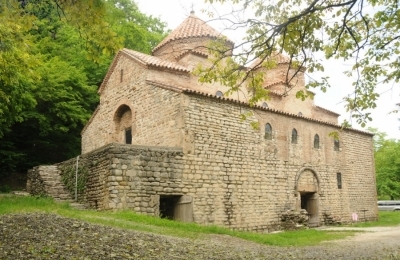
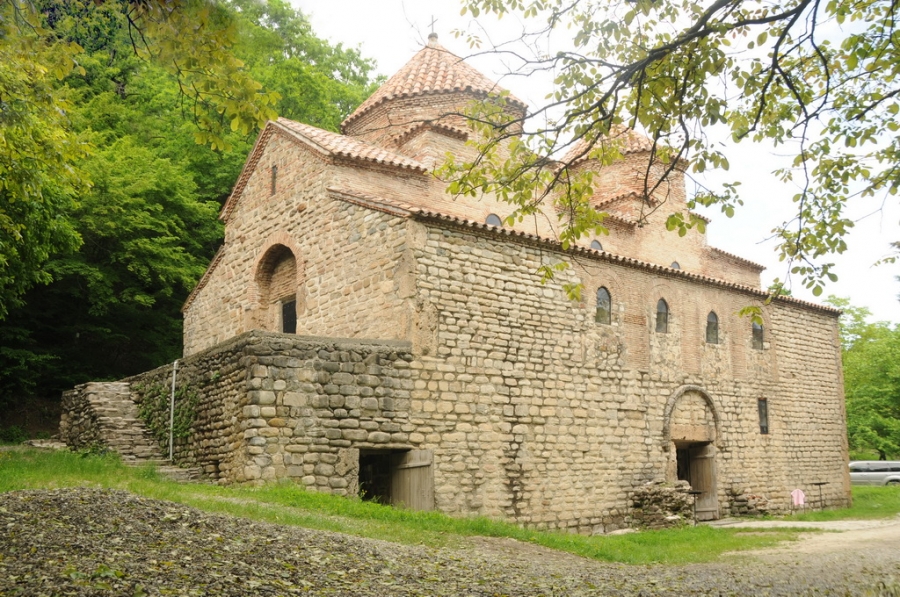
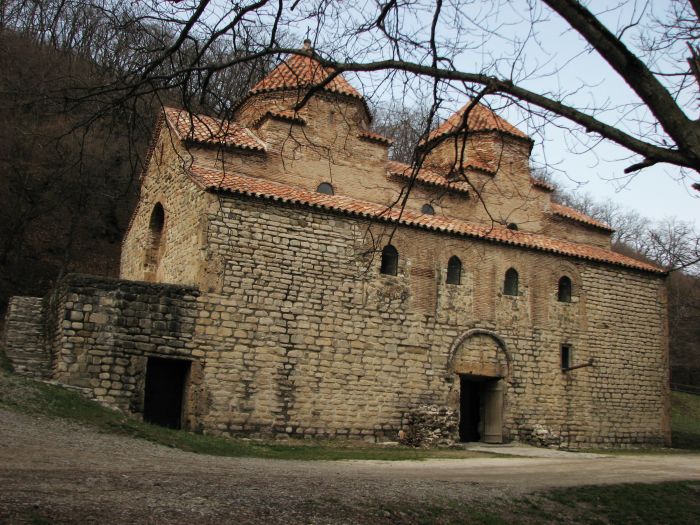
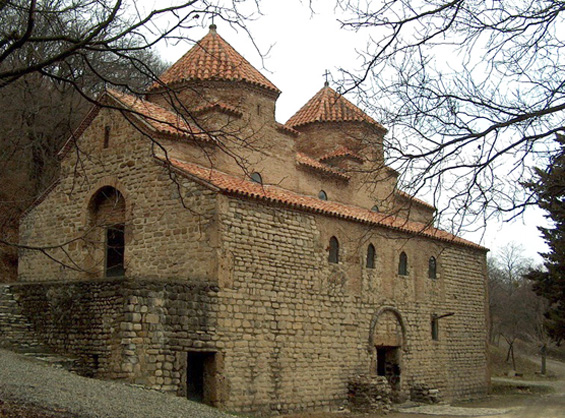
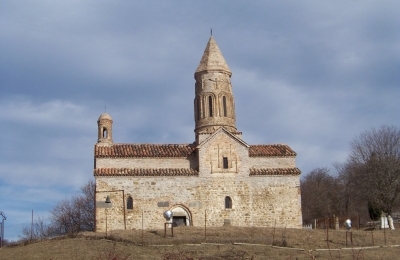
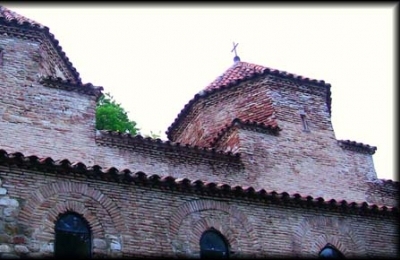
The Kvelatsminda of Gurjaani, or simply Kvelatsminda, is the most important monument of 8th–9th-century Georgian architecture (of the "transitional era") — the Church of the Dormition of the Mother of God. It stands 2 km from the town of Gurjaani. From the second half of the 7th century a new stage of development began in the history of Georgian art, lasting until the second half of the 10th century; it has been called the art of the transitional era. This period is marked by stylistic diversity and by the peculiarities born of that diversity, which in some cases yield wholly unique examples. In the transitional era the classical forms of architecture break down and the search for new paths begins; often two entirely different architectural types merge. One of the finest examples of this phenomenon is the Kvelatsminda of Gurjaani. In the treatment of its interior space it is a three-nave basilica, yet it has a domed roof — and moreover the church carries not one but two octagonal domes, which sharply sets it apart from other Georgian monuments. The Gurjaani Church of the Dormition lies two kilometers from the town, in the Kakhtubani valley. No written sources on its construction survive, but stylistic analysis shows it must belong to the 8th–9th centuries. With the Kvelatsminda church and the monastery here is connected the legend of the wonder-working Iveron icon of the Mother of God, which was kept here for years. According to the priest Polikarpe Karbelashvili, the icon's central part (the Virgin and Child) was painted, surrounded by a gilded repoussé frame; it was about 30 goji long and 7 wide. This story attaches to the icon: in the autumn of 1615, during Shah Abbas's campaign in Kakheti, the monastery's superior was Father Ioane. He gathered the brotherhood and resolved with them not to abandon the monastery, but to hide the church's relics and vessels for a time in a secret room beneath the church. That same night the Most Holy Mother of God appeared to Father Ioane in a dream and commanded him to cut a small niche in the pillar of the St. George church of the Tsamebuli monastery (1–2 kilometers from Kvelatsminda), place the Iveron icon there, and wall the niche up. The next morning Father Ioane made the Mother of God's will known to the brethren and hid the icon in the pillar. After Shah Abbas's invasion many villages and monasteries were laid waste, among them Kvelatsminda and Tsamebuli, and the monks perished; divine service in these monasteries ceased. Two hundred years later a small brotherhood, led by Hegumen Gabriel, revived spiritual life in the Kakhtubani monastery. Around 1820–1822 they began searching for the icon of the Mother of God, but in vain. Then one night Father Gabriel saw the All-Holy in a dream, and she revealed to him the icon's resting place. The next day Father Gabriel, together with Father Iostos, superior of the Vejini Ascension monastery (in lay life Prince Andronikashvili), the Gurjaani priest Abraam Demurov and a great crowd of worshippers, set out for the Tsamebuli monastery. When the wall was opened at the appointed place they found the Iveron icon of the Mother of God and bore it to the Kakhtubani monastery. The monastery emptied again around 1845, when its monks moved to the Khirsa Stepantsminda monastery and the icon was transferred to the St. George church in Gurjaani. Twice a year — on the Dormition of the Mother of God and on the church's feast, the Monday of Bright Week — the icon was carried in procession to the Kakhtubani monastery, where the liturgy was celebrated. The icon's present whereabouts are again unknown.
გურჯაანის ყველაწმინდის ტაძართან და აქ არსებულ მამათა მონასტერთან დაკავშირებულია ლეგენდა ივერიის ღვთისმშობლის სასწაულმოქმედ ხატზე, რომელიც წლების განმავლობაში აქ ინახებოდა. მღვდლის, პოლიკარპე კარბელაშვილის ცნობით, ხატის ცენტრალური ნაწილი (ღვთისმშობელი ყრმით) საღებავით ყოფილა დაწერილი, ხოლო გარშემო მოოქროვილი ჭედური ჩარჩო ჰქონია შემოვლებული. ხატის სიგრძე დაახლოებით 30 გოჯი იყო, ხოლო სიგანე - 7. ამ ხატთან დაკავშირებული ყოფილა ასეთი ისტორია: 1615 წლის შემოდგომაზე შაჰ-აბასის კახეთში ლაშქრობის დროს მონასტრის წინამძღვარი ყოფილა მამა იოანე. მან შეკრიბა მონასტრის საძმო და მათთან ერთად გადაწყვიტა, მონასტერი არ მიეტოვებინათ, მაგრამ ტაძრის სიწმინდეები და საეკლესიო ნივთები დროებით ტაძრის ქვემოთ, საიდუმლო ოთახში გადაემალათ. იმავე ღამეს მამა იოანეს სიზმარში ყოვლადწმინდა ღვთისმშობელი გამოეცხადა და უბრძანა, წამებულის მონასტრის წმინდა გიორგის ტაძრის (ყველაწმინდას მონასტრიდან 1-2 კილომეტრში) სვეტში პატარა ნიშა ამოეჭრა, იქ ივერიის ღვთისმშობლის ხატი დაებრძანებინა, ხოლო ნიშა ამოექოლა. მეორე დილას მამა იოანეს ძმებისათვის გაუცნია ღვთისმშობლის ნება და ხატი სვეტში დაუმალავს. შაჰ-აბასის შემოჭრის შემდეგ აოხრდა მრავალი სოფელი და მონასტერი, მათ შორის ყველაწმინდასა და წამებულის მონასტრებიც, დაიხოცნენ ბერებიც. ამდენად, ამ მონასტრებში ღვთისმსახურება შეწყდა. 200 წლის შემდეგ, კახთუბნის მონატერში მცირე საძმო, იღუმენ გაბრიელის წინამძღოლობით, სასულიერო ცხოვრებას აღადგენს. 1820-1822 წლებისთვის იწყებენ ღვთისმშობლის ხატის ძიებას, მაგრამ უშედეგოდ. ერთხელაც, მამა გაბრიელმა სიზმრად იხილა ყოვლადწმინდა, რომელმაც მას ხატის ადგილსამყოფელი აუწყა. მეორე დღეს მამა გაბრიელი ვეჯინის ამაღლების მონასტრის წინამძღვარ მამა იოსტოსისთან (ერისკაცობაში თავადი ანდრონიკაშვილი) და გურჯაანელი მღვდლის, აბრაამ დემუროვსა და უამრავ მლოცველთან ერთად გაემართა წამებულის მონასტრისაკენ. მითითებულ ადგილას კედლის გახსნის შემდეგ იპოვეს ივერიის ღვთისმშობლის ხატი და კახთუბნის მონასტერში წამოაბრძანეს. მონასტერი კვლავ დაცარიელდა დაახლოებით 1845 წელს, როცა აქაური ბერები ხირსის სტეფანწმინდის მონასტერში, ხატი კი გურჯაანში მდებარე წმინდა გიორგის ეკლესიაში გადაიტანეს. წელიწადში ორჯერ, ღვთისმშობლის მიძინებისა და ტაძრის დღესასწაულზე, ბრწყინვალე შვიდეულის ორშაბათს, ხატს მიაბრძანებდნენ კახთუბნის მონასტერში, სადაც წირვა-ლოცვა აღევლინებოდა. ამჟამად ხატის ადგილსამყოფელი კვლავ უცნობია.Gallery
Let's talk!
Have a place to add, a correction to suggest, or just want to say hello? Get in touch — we read every message.